Over the last year I’ve become significantly more active on the OSR Discord, and as such have signed up for Secret Santicorn this year. My own request for sci-fantasy stuff easily applicable for my own game has been fulfilled excellently by ConjuredCastle on his blog, and now it’s my turn to fulfil the prompt of Rook at Beneath Foreign Planets. Rook requested Agrarian fantasy, the more mundane the crop the better. I just so happen to have been born and raised in deep Apple Country, and so I’ve turned that knowledge into a brief writeup on apple growth, and an extremely sketchy overview of a location dealing with less-than-mundane apples.
Apple Cultivation and Grafting
Apples, for all of their deliciousness, are little bastards when it comes to cultivation. Apple trees do not “breed true”, meaning trees grown from naturally pollinated fruits will have a random assortment of traits from both parent trees. This is absolutely terrible for a consistent product. Instead, almost all apple trees from the ancient world onward are created by grafting. A clipping is taken from a tree that happens to have desirable fruit and then grafted onto rootstock from a tree grown for hardiness. In effect, all trees growing a particular variety of apples are the same tree, asexually reproduced by taking clippings from the original tree and its descendants, over and over. Both parts of the tree will remain genetically distinct but otherwise operate as one plant. If you want to you can even splice multiple varieties onto the same tree, so that each branch of the tree produces a different variety or even wholly different fruit. This trait forms the crux of the problem in Pommeslow.
Grafting is an ancient technology, and one that is likely to be present in any campaign setting with trees. Though not included in this writeup, grafted trees have an interesting cultural association in medieval English literature with fairies. The Middle English poem Sir Orfeo, a medieval retelling of the Greek story of Orpheus, has the trouble begin when Sir Orfeo’s wife falls asleep under a grafted tree and dreams of the Fairy King, a sight so terrifying that she attempts to claw her own eyes out before being restrained by her knights. Haunted by these dreams, she is ultimately driven to sleep under the tree again and be snatched away by the Fairy King to his realm of the dead. Sir Orfeo is an absolutely fascinating poem, and the subject of a likely future post here.
Back to apples, there are a nearly endless supply of different varieties of apple. Broadly speaking they can be divided into three varieties. Dessert or Table apples are sweet and attractive enough to be eaten outright. These are the least common variety in Pommeslow and in historical Europe, but were grown in China and of course are extremely popular in the modern world. Baking apples are tart when eaten raw and often lumpy and weird-looking, but perfect for cooking or making pies and pastries. Cider apples are again tart and bitter, but have chemical compositions that make them ideal for fermentation. Contrary to the Disney portrayal, the apples spread through North America by Johnny Appleseed were cider apples, planted in organized orchards and then tended to by local farmers. The famous pioneer’s religious convictions made him an opponent of grafting, as he believed it caused the tree pain, and ungrafted apples are almost always too small and bitter for eating. Cider apples are the most common in both Pommeslow and pre-modern historical Europe, and alcoholic cider was a staple food for many people in many times and places. Good apple varieties are prized and protected to this day, and there’s ample adventure opportunity in setting out to recover a particularly prized magical cultivar of fruit from the orchard of a wizard.
Orchards in Pommeslow and in the medieval period looked quite different from modern industrial farming orchards. Rather than orderly rows with trees packed in, the trees are instead spread out several meters away in a grid-like pattern, leaving large amounts of open space. This grass provides grazing space for livestock, who in turn fertilize the trees. Beekeepers will also keep their charges in or around the orchard, as their pollination is an absolute necessity for the growth of the fruit.

Different apples are harvested at different times. The specifics are complicated and vary from variety to variety, but for simplicity’s sake imagine the harvest as beginning in fall, starting with cider apples and rolling through baking apples before the table apples are harvested at the end of the season, just as it’s getting cold enough to store them through the winter. Cider production is a whole other vat of rotten fruit, outside of both my own knowledge and the scope of most games.
The Situation at Pommeslow
Pommeslow is a small village known for its extensive apple orchards. Pommeslow cider is renowned throughout the whole of the county for its crisp, fresh flavor, and the cider presses of the village are a point of intense pride. The village is under the nominal rule of an absentee landlord knight who only shows up long enough to drink the first casket cracked open each season and to collect his taxes. Actual rule lies in the hands of the Apple Court, a voting body made up of all the landowners in the town, and which is dominated by two competing wealthy families around whom the other families have gathered into impromptu parties. The Apple Court resolves small legal disputes, governs the day-to-day rules of the town, and most importantly assign to families which strips of farmland and which trees they have the right to tend to and harvest from.
The Holrice family is presently the more dominant of the two factions, using the Apple Court to claim for itself and its clients the rights to harvest from the best and most productive trees each and every year without fail. The Garrlot family, in an attempt to recoup their losses and regain dominance, have secretly entered into a pact with The Screaming Tree, an evil treant that lives deep in the haunted woods north of town. During the previous winter, Garrlot workers secretly grafted clippings of the Screaming Tree to various fruit trees being tended to by the Holrice and their allies. As harvest time approaches, the branches have grown, taking on twisted qualities of the original tree in defiance of nature. If it appears that the Holrice family is cursed and that their workers and allies continue to show up dead mysteriously, their support will wither away, or so it is hoped.
Pommeslow continues to operate normally. Each day, farmers trudge out to the fields and to the orchards for work and pruning. Things have begun to take a turn for the worse. People and livestock who wander into the orchards are turning up dead, strangled by… something. Others have been found with their heads caved in, as though by a warrior’s mace. Some of the fruit ripening for harvest has begun to take on an unnatural blood red color. A sense of dread has begun to pervade the town. Pommeslow is about to face a crisis.
Dealing with Pommeslow
Anyone walking in the orchards at night will inevitably be attacked by one of the two kinds of Screaming Tree clippings, Stranglers and Red Ferocious. Both varieties remain motionless through the day, and by all appearances are identical to any other tree branch apart from the unusual fruit of the Red Ferocious. Anyone with experience in tree grafting will spot the markings where the branches were spliced to the tree, if they take the time to look. At night, the branches will animate and attack anyone who enters a twenty foot radius around the afflicted tree. Because they are spliced onto trees the Holrice family tends to, they tend to appear in clusters of 2d6 trees, each about 15-20 feet apart, and each bearing 1d3 evil branches. All branches on a tree are of the same type, and have a 3 to1 chance of being Stranglers as opposed to Red Ferocious. The branches are stationary on the tree, but can extend and flex to attack anyone in the tree’s territory.
Stranglers
Appears as a normal tree branch, with normal fruit.
HD: 1-1
AC: 7 (12 Ascending)
Attack: Whip (1d4, after a successful attack the branch will wrap around the victim’s neck and automatically deal 2d4 damage each following round as it throttles the poor afflicted.)
Red Ferocious
The fruit on these trees is blood red and damp to the touch. When animated, the fruit becomes as dense and hard as lead as the tree attempts to beat interlopers to death. The apples taste as garbage as Red Delicious in the real world. Red Delicious is horrible, get anything else, they’re cultivated for appearance over taste.
HD: 2
AC: 6 (13 ascending)
Attack: Bludgeon 2x, 1d6
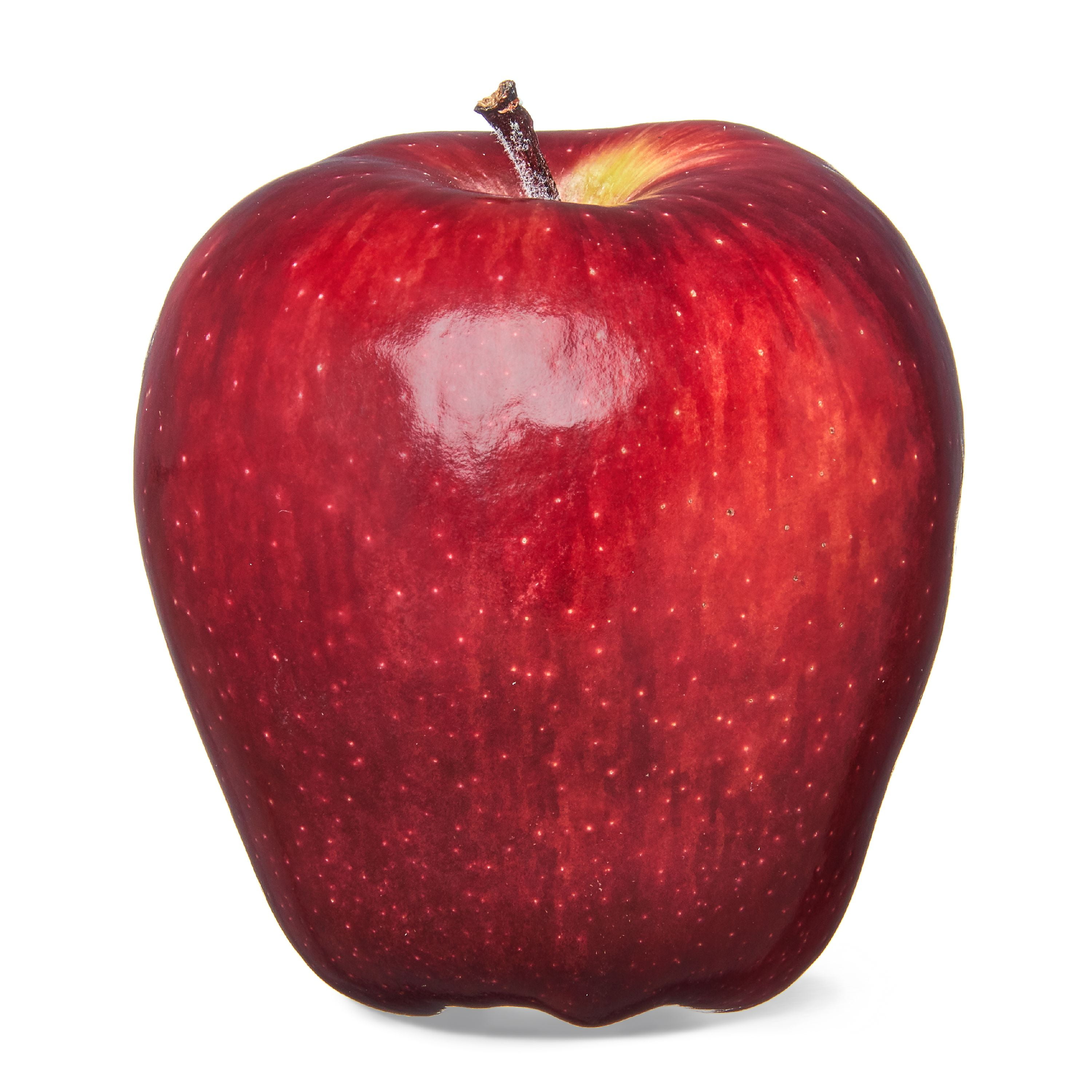
If fruit from a Red Ferocious is eaten, the eater must Save vs. Magic every two months or until the tiny apple tree growing in their small intestines is removed. Each failed roll is accompanied by growing intestinal pain. Once they have failed a total of three rolls, a small apple tree with 2d6 strangler branches will erupt from the person, killing them instantly. The Garrlot family is not aware of this quality of the fruit, though The Screaming Tree is.
If the PCs offer to help investigate the killings in the orchards, the Garrlot family will offer to show them around. If taken up on that offer, during the night the Garrlot guide will lead the PCs to a cluster of afflicted trees and try to trick them into being killed by the trees, fleeing as soon as the trees animate.
The branches can be cut off safely during the day, and the non-Red Ferocious fruit from the trees can be eaten or fermented safely. New growths of the demonic branches will continue to sprout each year, however, until the tree is fully cut down and replanted. Depending on how badly this will affect the harvest, the villagers may or may not be willing to deal with this inconvenience.
Killing the Screaming Tree will also put a permanent end to the affliction. A forester or a Garrlot guide compelled by guilt, threats, or money can guide the PCs there without any more issues than normally appear in haunted woods in your campaign world. The Screaming Tree is represented as any other Treant is in your system, and behaves as its name suggests. Dealing with the issue, by revealing the branches and how to remove them, or by killing The Screaming Tree, will cause the village to reward the PCs with six casks of very fine quality cider, valued appropriately within your system. If confronted, the Garrlot family will attempt to bribe the PCs to stay quiet and leave town, offering 18 barrels of fine cider if the branches have not been revealed or an additional six casks to remain quiet about Garrlot involvement if the branches have been revealed.
This is my first time fulfilling a Secret Santicorn. I hope it’s of some use and at least gives you a few ideas, Rook. My next post will be a return to the Gygax 75 Challenge, as I actually write out a dungeon for my players to explore.
 Too Many Swords